J1772 vs NACS: which hotel EV chargers your car can use
Updated · Aug 2026
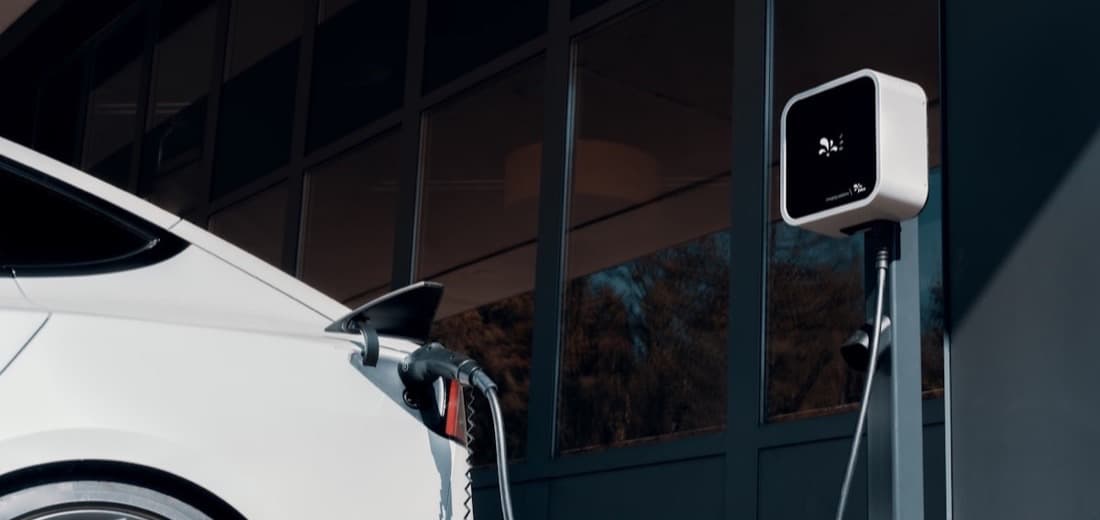
Two connectors cover almost every hotel charger in the US. Which one is bolted to the garage wall decides whether you plug in and go to bed, dig an adapter out of the trunk, or drive to a public station at 10 p.m. Here is what actually separates them, and how to know which one you need before you book.
The short version
- J1772 is the AC connector on most non-Tesla EVs sold in North America before the NACS switchover. It does Level 1 and Level 2 only.
- NACS (standardized as SAE J3400) is Tesla's connector, now adopted across the industry. One plug carries both AC and DC.
- At a hotel, both usually do the same job: Level 2 charging while you sleep. The plug shape changes. What is in your battery by morning usually does not.
J1772: the AC standard
J1772 is round, chunky, and latches with a thumb button. It carries AC only:
- Level 1, a standard 120V outlet, adds roughly 3 to 5 miles of range per hour. Workable over two nights, useless for a quick top-up.
- Level 2, 208V or 240V, typically runs 6 to 11 kW at hotels. Hotel garages often run 208V, so a unit rated 11.5 kW delivers closer to 10 kW. The spec allows up to 19.2 kW, but that is rare on a hotel wall.
Most cars with a J1772 port use CCS for DC fast charging: the same shape with two large DC pins added underneath. Older Nissan Leafs are the exception, they pair J1772 with CHAdeMO. Either way, that is a highway connector. You will rarely meet one at a hotel.
NACS: one plug, AC and DC
NACS is smaller and lighter, and it handles both AC and DC through the same pins. On a highway Supercharger it delivers DC fast charging. On a hotel wall, a Tesla Wall Connector, what hotels list as a destination charger, delivers AC Level 2, up to 11.5 kW.
Most automakers have committed to NACS, so newer non-Tesla EVs increasingly ship with a NACS port from the factory.
Speed is set by your car, not by the plug
This is the part people get wrong. On AC, your charging rate is the lowest of three numbers: your car's onboard charger, the unit's output, and the circuit behind it. A car capped at 7.2 kW onboard pulls 7.2 kW whether the plug says J1772 or NACS. NACS is not "the fast one" at a hotel.
That is also why overnight charging is forgiving. Ten hours at 7 kW is about 70 kWh, more than most drivers need to replace after a day on the road.
Which adapter you need
Four combinations, and only two of them require anything:
- J1772 car, J1772 charger. Plug in. Nothing to carry.
- NACS car, NACS charger. Plug in. Nothing to carry.
- NACS car, J1772 charger. You need a J1772 to NACS adapter. Teslas ship with one. Non-Tesla EVs with a native NACS port sometimes include one and sometimes do not, so check what came with the car before you leave.
- J1772 car, NACS charger. You need a NACS to J1772 adapter, sold by third parties. Some newer Tesla units keep a J1772 adapter docked on the side, but do not count on it. Buy your own before the trip, not during it.
Keep whichever adapter applies to you in the car permanently. It weighs almost nothing, and it turns chargers you otherwise could not use into chargers you can.
What this means when you book
- A J1772 unit is the most universally usable thing a hotel can install. Every EV can charge on it, including Teslas with the adapter that comes with the car.
- A Tesla destination charger is a NACS AC unit. A non-Tesla with an adapter can physically use it, but the hotel's policy is the real gate. Some properties reserve those spots for Teslas, and many reserve them for registered guests.
- The connector tells you nothing about price or access. Free, guest-only, or paid is a separate question, and so is whether the unit works tonight.
- Do not plan around DC fast charging at a hotel. It exists, it is uncommon, and it is not what overnight charging is for.
Before you book
Three things have to line up: the connector on the wall, the adapter in your trunk, and the hotel's access rules. The first two are on you. The third takes a phone call, and our guide to confirming a hotel's charging before you book covers the questions worth asking.
When you want the connector spelled out before you pick a property, browse hotels by state: every hotel page lists the connector, level, power and access rules we have for that property, with the month we last updated it. Charger hardware, pricing, and access rules change without much notice, so confirm with the hotel when you book.